
In the precision-driven world of electronics manufacturing, the method of separating individual circuit boards from a larger panel is a critical final step. As products shrink in size and grow in complexity, traditional mechanical depaneling methods are increasingly being replaced by a more advanced solution: the laser depaneling machine. This technology offers unparalleled accuracy, flexibility, and quality for modern PCB production. This article provides a comprehensive analysis of laser depaneling technology, its market, applications, and key considerations for selection.
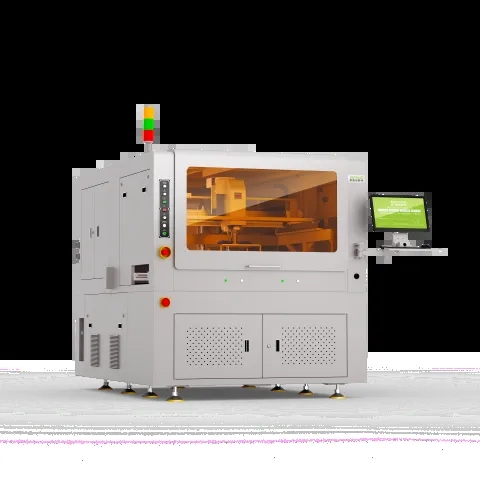
Market Overview and Growth Trajectory
The global laser depaneling machine market is on a steady growth path, driven by the relentless miniaturization and sophistication of electronic devices. According to industry research, the market was valued at approximately $61 million in 2024 and is projected to reach $89 million by 2031, growing at a Compound Annual Growth Rate (CAGR) of 5.0%.
A significant and faster-growing segment within this market is Ultraviolet (UV) laser depaneling machines. Valued at around $34 million in 2024, the UV laser segment is expected to grow at a CAGR of 5.1% through 2031, highlighting the industry’s shift towards higher-precision applications.
This growth is fueled by demand across several high-tech sectors:
Consumer Electronics: Smartphones, wearables, and tablets require extremely dense and delicate PCBs.
Automotive Electronics: The rise of electric vehicles (EVs) and advanced driver-assistance systems (ADAS) demands reliable PCBs that can withstand harsh conditions.
Industrial & Medical: Equipment in these fields often involves complex, high-reliability boards where cutting quality is paramount.
Core Technology: UV vs. Green Lasers
Laser depaneling works by focusing a high-intensity beam to ablate or vaporize the PCB material along a pre-programmed path. The two primary laser types used offer distinct advantages:
| Feature | UV (Ultraviolet) Laser | Green Laser |
| Wavelength | Shorter (e.g., 355nm) | Longer (e.g., 532nm) |
| Key Advantage | Minimal Heat-Affected Zone (HAZ) | Better absorption by certain materials (e.g., FR4) |
| Precision | Extremely High; ideal for micro-machining | High |
| Typical Use Case | High-Density Interconnect (HDI) boards, flexible PCBs (FPC), and rigid-flex boards where thermal damage must be avoided | Standard FR4 boards, PCBs with copper and glass fiber layers. |
The choice between UV and green lasers depends heavily on the PCB materials and the acceptable level of thermal impact on the board edges and nearby components.
The Shift to Automation: Online vs. Offline Systems
Beyond laser type, the integration level of the depaneling machine is a crucial differentiator:
Online Laser Depaneling Systems: These are integrated directly into the Surface Mount Technology (SMT) production line. Boards are fed automatically via conveyors, enabling fully automated, lights-out manufacturing. This configuration maximizes throughput and minimizes manual handling, making it ideal for high-volume production.
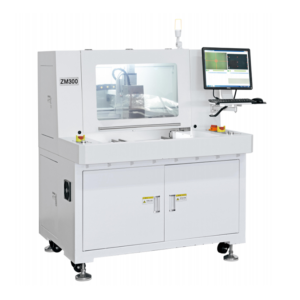
Offline Laser Depaneling Machines: These are standalone units where panels are loaded and unloaded manually or via a separate loader. They offer greater flexibility for low-to-medium volume production, prototyping, and job shops that handle a wide variety of PCB designs.
The trend in advanced manufacturing is clearly moving towards online, automated solutions to boost efficiency and consistency.
Competitive Landscape and Key Global Players
The market features a mix of established international players and emerging specialized manufacturers, primarily from Europe and Asia. Leading global companies often cited in industry reports include ASYS Group, LPKF Laser & Electronics, and Han’s Laser. These players are known for their robust technology and global service networks.
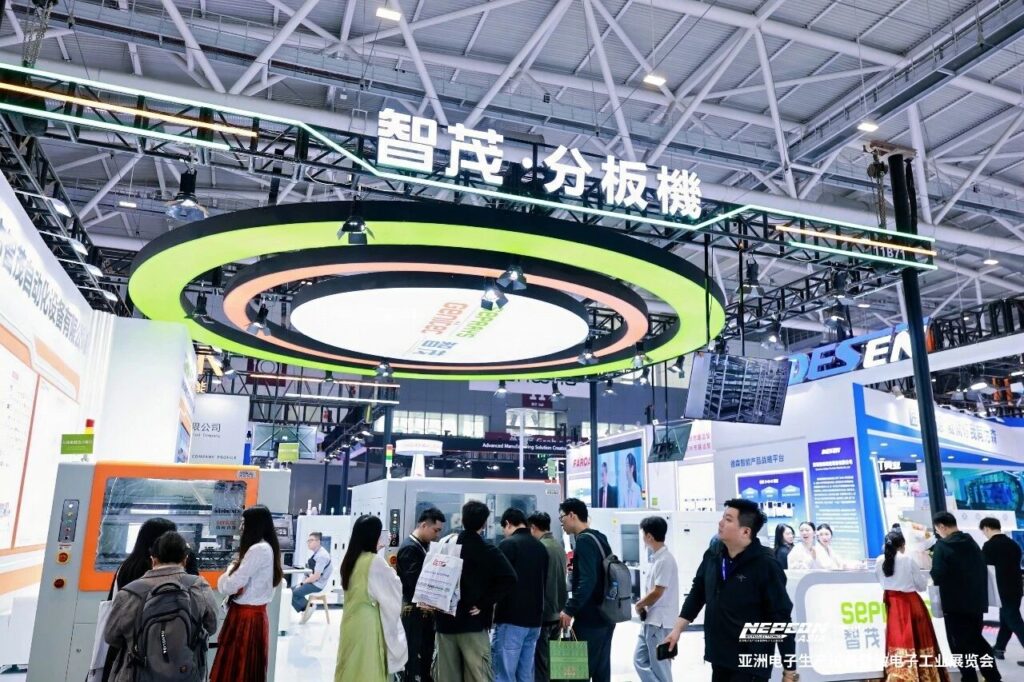
Concurrently, several skilled and competitive manufacturers have emerged from China, offering advanced technology at competitive value points. Companies like Seprays (智茂) are recognized in these reports as notable participants in the laser depaneling machine market, providing solutions that cater to both domestic and international clientele.
Critical Selection Criteria for Manufacturers
Choosing the right laser depaneling machine and supplier is a strategic decision. Here are the key factors to evaluate:
1. Technical Capability & Process Fit:
Material Compatibility: Confirm the machine can process your specific PCB materials (FR4, flexible, ceramic, etc.) with the required edge quality.
Precision & HAZ: Request sample cuts and data on cutting accuracy and the size of the Heat-Affected Zone.
Throughput & Uptime: Evaluate cutting speed and the machine’s design for reliability and minimal maintenance.
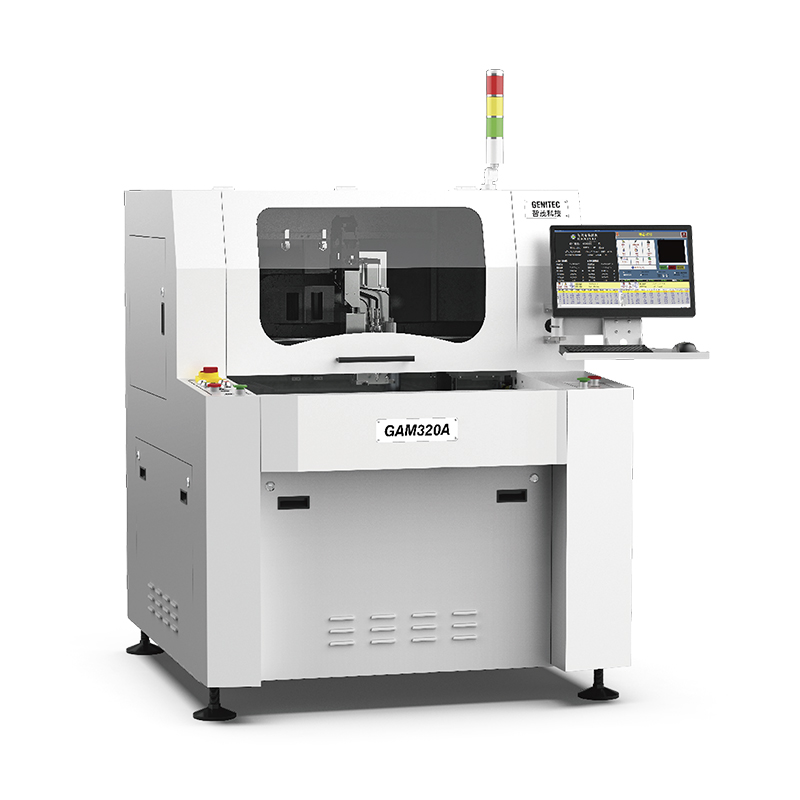
2. Machine Configuration & Integration:
Online vs. Offline: Decide based on your production volume and automation goals. An online laser depaneling solution is critical for streamlining a continuous SMT line.
Software & Programmability: User-friendly software for easy path programming and quick job changeover is essential for efficiency.
3. Manufacturer’s Expertise & Support:
Proven Experience: Look for a supplier with a track record in your industry segment (e.g., automotive, medical).
Service and Support: Ensure they offer strong technical support, training, and spare parts availability in your region. Reliable after-sales service is as important as the machine itself.
Customization Ability: Can they tailor the solution to your unique panel size, handling, or integration requirements?
Conclusion: The Future is Precise and Automated
Laser depaneling has evolved from a niche technology to a mainstream manufacturing solution, enabling the production of next-generation electronics. The market’s growth, especially in the UV laser segment, underscores the industry’s demand for higher precision and quality.
For manufacturers looking to upgrade their depaneling process, the path involves a careful analysis of their PCB designs, production volume, and future needs. Partnering with a knowledgeable supplier who can provide not just a machine, but a complete, integratable solution is key to unlocking greater productivity and product reliability.
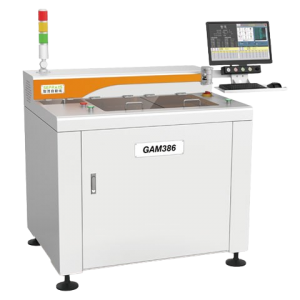
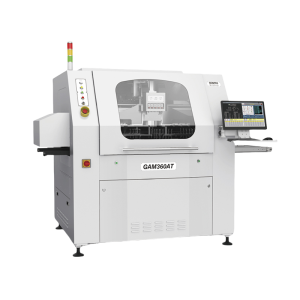
As an example of modern solutions in this space, manufacturers like Seprays offer targeted equipment such as the ZAM330AT-330AD Online Laser Depaneling Machine Solution, which is designed for integration into automated lines to address the demand for high-precision, efficient production.
Ready to evaluate how laser depaneling can optimize your PCB assembly process? For a detailed consultation or to discuss your specific application requirements, contact our engineering team at [jimmy@seprays.com](mailto:jimmy@seprays.com).