
Introduction to Automotive PCB Requirements
As automotive electronics continue to evolve, PCB boards serve as the core foundation of electronic systems, where design and manufacturing quality directly impact vehicle performance and safety. Automotive PCB boards must comprehensively consider performance, reliability, and manufacturing feasibility during the engineering design phase, strictly adhere to the IATF 16949 quality management system, and demonstrate excellent environmental adaptability (including high/low temperature, vibration, humidity, etc.).
1. Data Integrity and Traceability
All engineering documentation must clearly indicate PCB model, version, design date, and effective date.
Version change records must be completely maintained. Gerber files should include production cycle and batch serial numbers to ensure full-process traceability, with records retained for at least ten years.
2. Automotive Electronics Design Standards
IPC Standards
Following standards such as IPC-2221 and IPC-6012, substrate materials should preferably use high-temperature resistant FR-4 material with Tg value ≥150℃, complying with IPC-6012 Class 3 requirements.
Functional Safety Standards
For safety-critical components like autonomous driving systems, compliance with ISO 26262 standards is required, specifying ASIL levels and designing corresponding redundancy mechanisms.
3. Key Process Design Elements
- Material Selection: Use high CAF-resistant materials with low moisture absorption and high Tg values.
- Pad and Via Design: Recommended spacing between different network via walls ≥0.30mm to enhance CAF resistance and prevent short circuits.
- Impedance Control: Impedance tolerance should be controlled within ±10% to ensure signal integrity and anti-interference capability.
- Via Plugging Process: Clearly define via types and ensure effective plugging for better heat dissipation.
- Warpage Control: Warpage rate ≤0.5% to enhance mechanical strength.
- Copper Thickness: Through-hole copper thickness ≥25μm to improve vibration resistance.
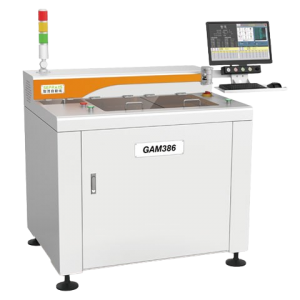
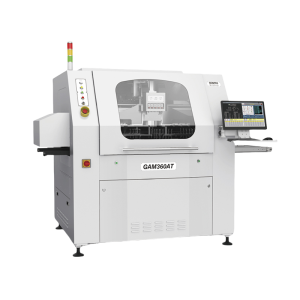
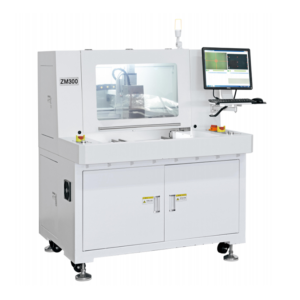
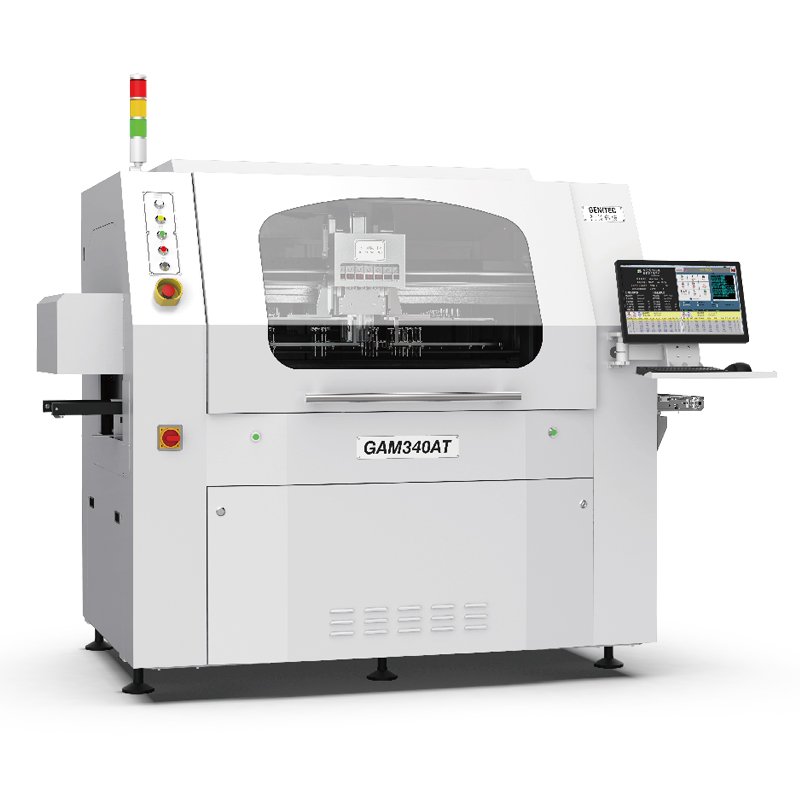
In the manufacturing process, precision PCB router machine equipment plays a crucial role in ensuring accurate depaneling and maintaining board integrity, particularly for automotive applications requiring high reliability.
4. Reliability and Safety Testing
- Electrical Testing: 100% flying probe testing to detect open circuits, short circuits, and impedance abnormalities.
- Visual Inspection: According to IPC-A-610 automotive grade standards (Level 2 or 3), ensuring no copper exposure, solder mask bubbles, blurred silkscreen, or board edge burrs.
- Specialized Testing: Thermal cycling tests (-40℃~125℃, 1000 cycles without solder joint failure).
- Environmental Adaptability: Set temperature and humidity ranges according to installation location. For example, engine compartments must withstand -40℃~125℃.
- Mechanical Reliability: Vibration testing (e.g., 10-2000Hz, 10g acceleration, 2 hours/axis) and shock testing (e.g., 50g, 11ms half-sine wave) to ensure structural integrity and solder joint reliability.
5. Document Delivery and Confidentiality
Complete documentation must be electronically archived with version tracking, specifying delivery recipients and dates.
For PCB designs involving core automotive technologies, confidentiality agreements are required with restricted file access to prevent technical leakage.
Delivery includes complete Gerber files, BOM lists, film tools, and other necessary documentation.
Seprays’ Expertise in Automotive PCB Manufacturing
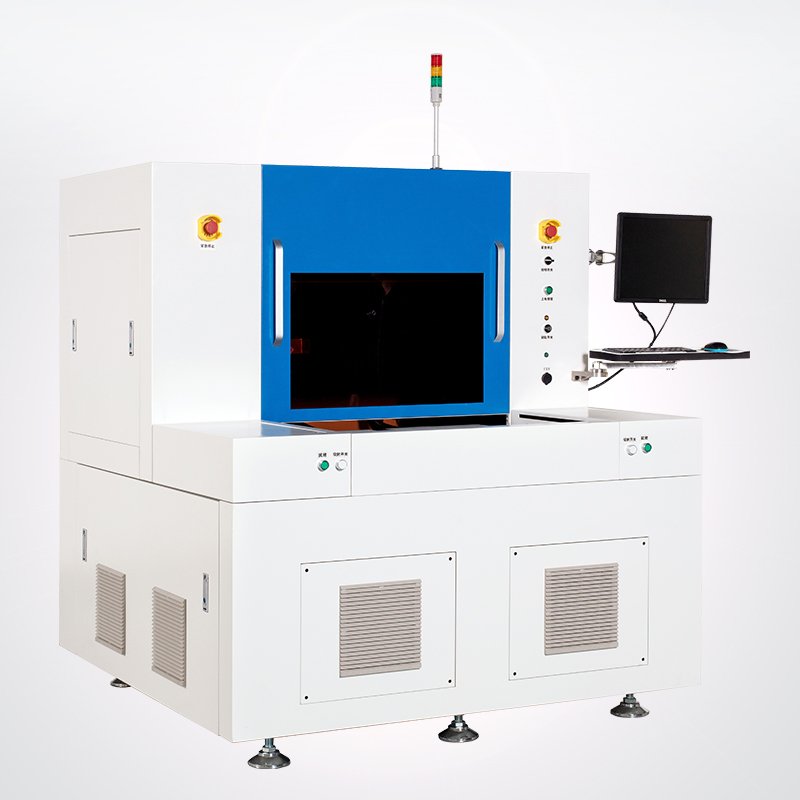
As a professional PCB manufacturing and service provider, Seprays has extensive experience in the automotive electronics sector with the following core strengths:
- Strict International Standards Compliance: Full implementation of IATF 16949, IPC, and ISO 26262 standards to ensure automotive-grade quality requirements.
- High-Reliability Materials and Processes: Selection of high Tg, CAF-resistant substrate materials combined with precise impedance control and via plugging processes to ensure stable PCB operation in harsh environments.
- Comprehensive Testing Capabilities: Complete electrical, environmental, and mechanical testing systems to ensure exceptional reliability and safety for every PCB board.
- Advanced Manufacturing Equipment: Utilization of precision PCB depaneling machine technology and automated inspection systems to maintain consistent quality and dimensional accuracy.
- Full Traceability and Confidentiality: End-to-end traceability from design to delivery, coupled with strict document management and confidentiality agreements, providing customers with secure and trustworthy technical support.
Seprays is committed to providing high-quality, reliable PCB solutions for global automotive electronics customers, supporting the advancement of autonomous driving and electric vehicle technologies.